|
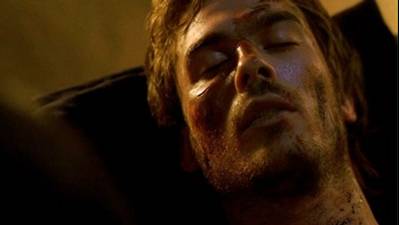
| Leela's introduction is written a hell of a lot better than her exit. |
Written between 6th and 7th June 2013
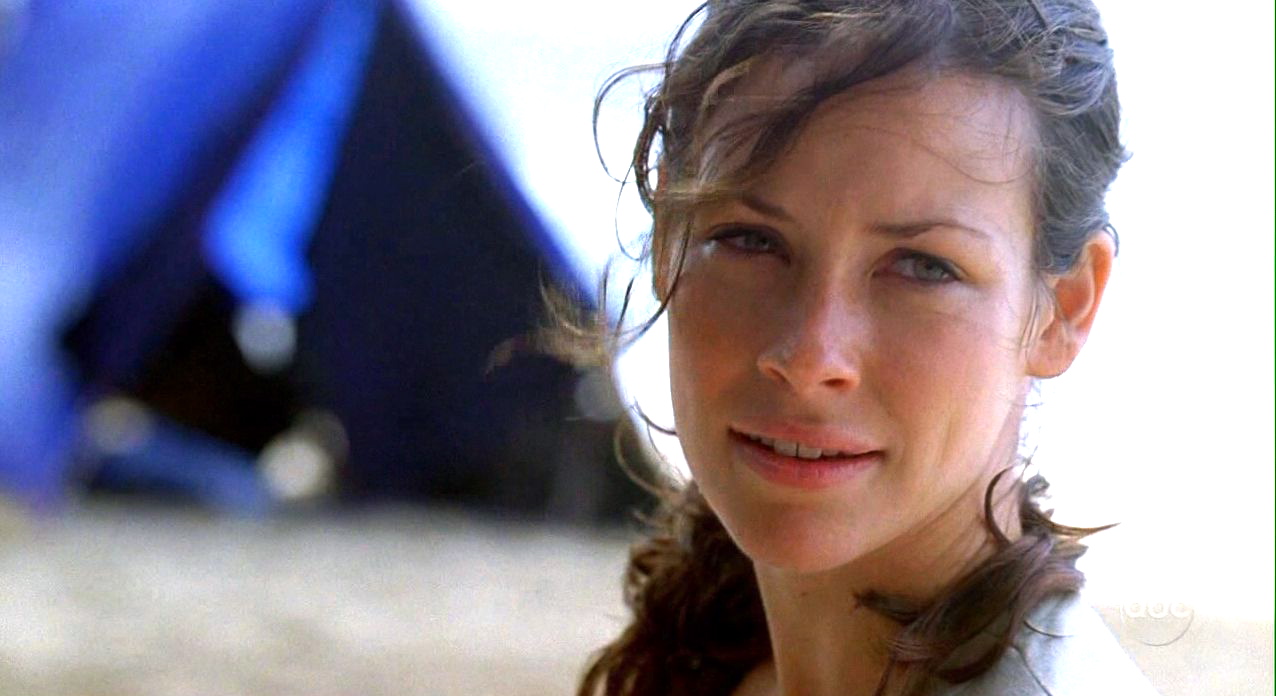
Science versus faith. Reason triumphing over superstition. Such is the stuff of some of my favourite science fiction, with this week's wonderful story not only providing a fine example but also ushering in the preparations for a new era for the show. It is here we find the intoduction of Louise Jameson's Leela, the character who combined a certain "something for the Dads" appeal with a smashing characterisation, breaking the mold of modern-day Earth girl companions for at least another seven years.
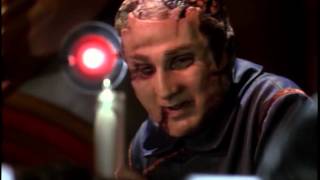
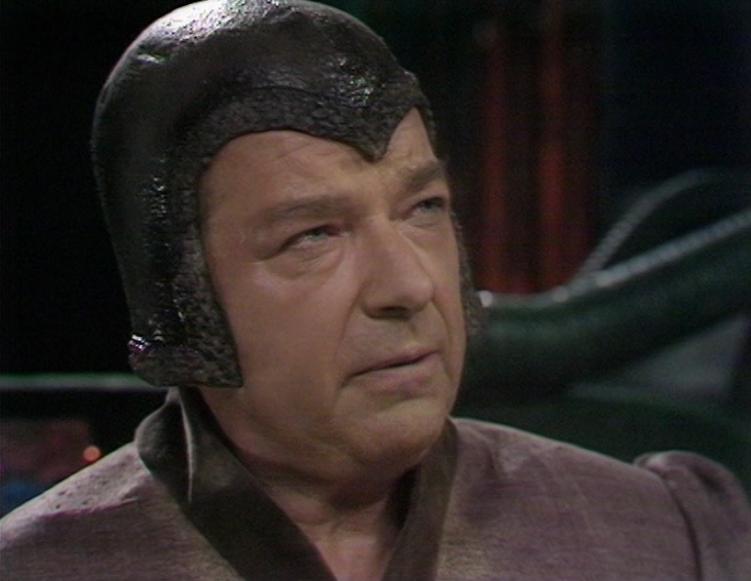
The story's main concept followed a The Time Machine style story of humanity undergoing divergent evolution, except this time limited to the decendants of a science team who crash-landed ona planet in the far future, separating into the savage society of the Sevateem (the Survey Team) and the ritualistic technocracy of the Tesh (Techs). I think the Sevateem were a little better executed - while groups of "savages" are very often generic in Doctor Who, the story mixed them with elements of a Cargo Cult and their descendance from the science team felt quite clear. The Tesh were considerably less inspiring; their ridiculous dress and bland acting didn't do them any favours, and I think I preferred them as the whispered-about enemy of the Sevateem than what we actually saw.
Leela is a bit conflicting for me, even though I love the character. In terms of the feminist movement at the time, I think it's a combined step backward and forward. On the one hand she's clearly been deasigned aesthetically to attract the male audience - a scantily clad warrioress running around the place in a leather loincloth. On the other hand, her characterisation is somewhat progressive - a strong and (compared to the rest of her tribe) smart woman who comes from what feels like an equal society (although we once again have Deadly Assassin Disease and Leela is the only woman in the story). There are no subtle hints of romantic tension like we've had since the beginnings of the Pertwee Era - their relationship is purely platonic, Leela curious as to the depth of The Doctor's knowledge (her having been brought up to believe The Doctor to be an evil monster) and he just appearing to be glad to have the company.
 |
| Four is quite influential sometimes... |
The Face of Evil shows a marked difference in tone to the previous two seasons. Maybe it's the focus on a well-executed concept rather than focussing on the fun of the runaround with the themes in the background, or maybe it's the loss of the whimsical and comforting face of Sarah Jane. But Doctor Who celebrates change, and change the show The Face of Evil did. A few of the executions of perhaps the Tesh and the spaceship itself were a little shoddy after the convincing jungle setting, but as an overall the story's concepts and its introduction of a quite well-characterised companion make this a certified winner.
Thanks.
NEXT WEEK: It's Gallifrey Base's favourite story, and I have no idea why. Join me in running away from The Robots of Death.